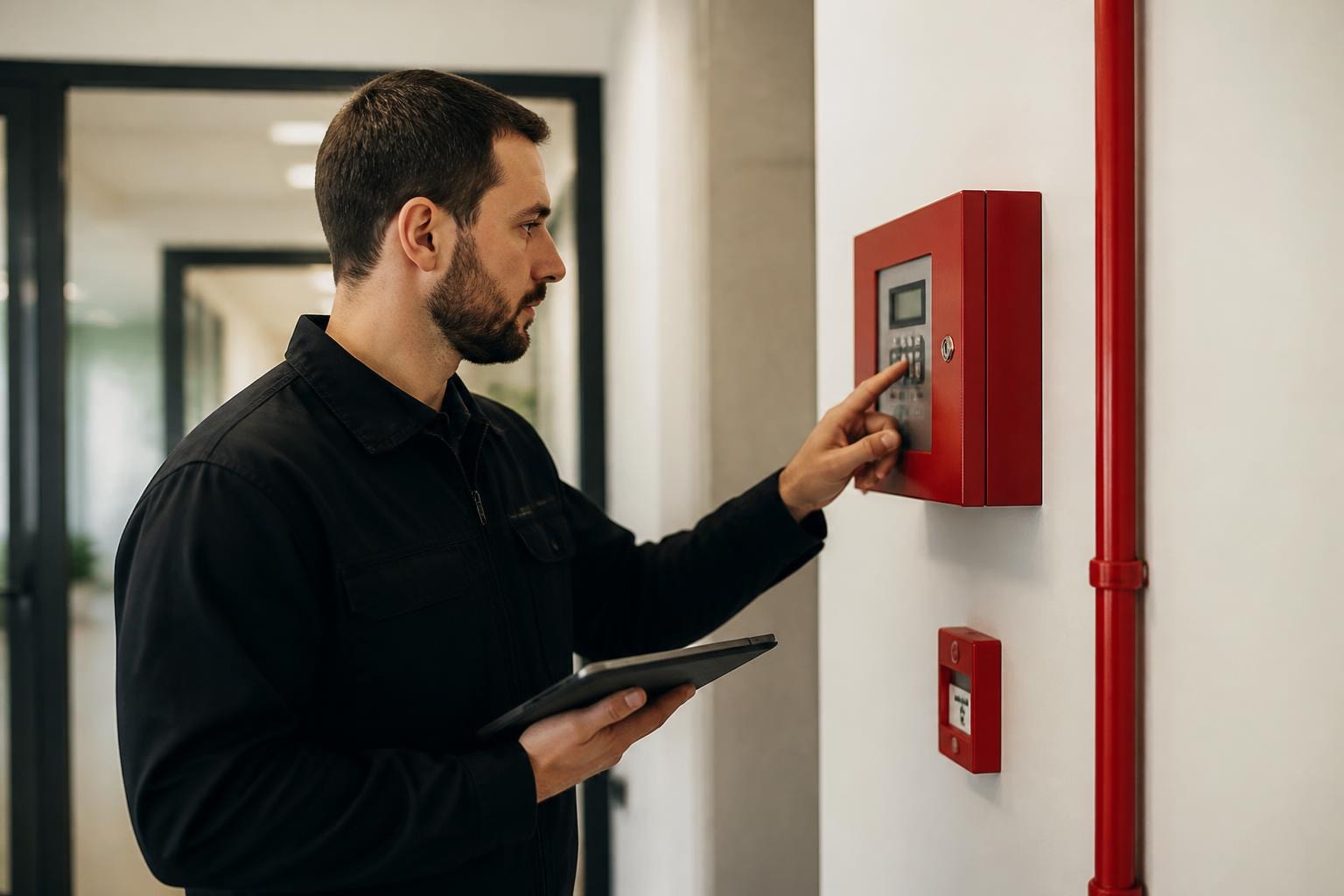
Fire alarm systems represent one of the most critical life safety measures in any commercial or residential building. Yet the installation of a fire alarm is merely the beginning of a much longer commitment to ongoing maintenance, testing, and compliance. Professional fire alarm service ensures these systems remain operational when needed most, protecting occupants and satisfying legal obligations under UK fire safety legislation. Understanding the full scope of service requirements helps businesses maintain robust fire protection whilst avoiding enforcement action from regulatory authorities.
Understanding Fire Alarm Service Requirements
Fire alarm service encompasses far more than occasional battery replacements or visual checks. A comprehensive maintenance programme involves systematic testing at multiple intervals, detailed record-keeping, and prompt remediation of any deficiencies identified during inspections.
The Regulatory Reform (Fire Safety) Order 2005 places explicit duties on responsible persons to ensure fire safety measures, including detection and warning systems, remain in effective working order. This legislative framework mandates regular maintenance through competent professionals who understand both the technical aspects of fire alarm systems and the compliance landscape governing their operation.
Weekly Testing Obligations
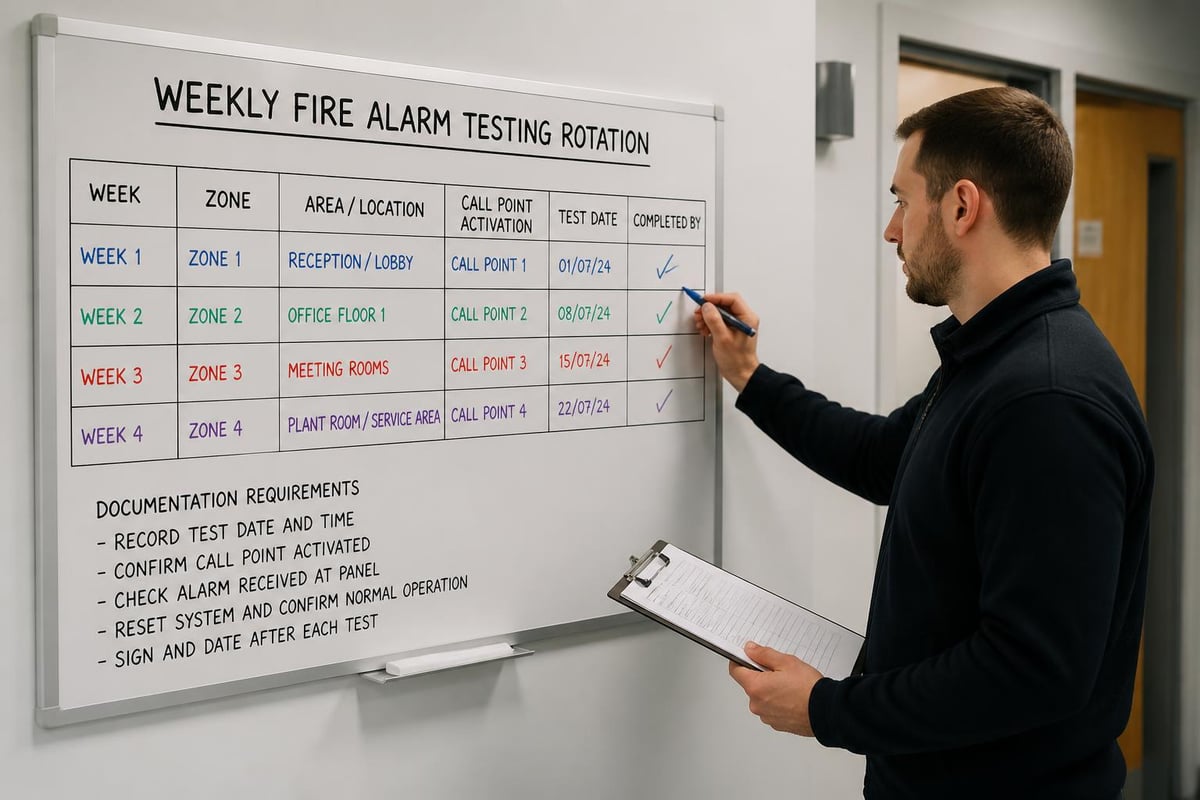
Weekly fire alarm testing forms the foundation of routine maintenance schedules. This basic check verifies that the system can activate and that sounders function across the protected premises.
The weekly test typically involves:
- Activation of a different call point each week on a rotational basis
- Verification that the control panel receives and processes the signal correctly
- Confirmation that all sounders operate at adequate volume
- Documentation of the test in the fire alarm logbook
This simple procedure takes only minutes but provides essential confirmation that the system remains capable of alerting occupants in an emergency. Rotating through different call points ensures comprehensive coverage over time whilst distributing wear across multiple activation devices.
Monthly and Quarterly Inspections
Beyond weekly checks, more thorough examinations occur on monthly and quarterly schedules. Monthly inspections typically expand the scope to include backup power supplies, control panel functions, and zone indication accuracy.
Quarterly service visits allow technicians to conduct more invasive testing procedures that might temporarily disrupt normal operations. These sessions often include detector sensitivity testing, battery load testing, and verification of standby power duration.
| Inspection Frequency |
Key Activities |
Typical Duration |
| Weekly |
Call point rotation, sounder check |
5-10 minutes |
| Monthly |
Backup power test, zone verification |
30-45 minutes |
| Quarterly |
Detector sensitivity, full system audit |
1-2 hours |
| Annual |
Complete certification inspection |
2-4 hours |
The quarterly and monthly fire alarm inspection protocols recommended by industry bodies provide structured approaches that ensure no critical component escapes scrutiny over the course of a year.
Annual Certification and Compliance
The annual fire alarm service represents the most comprehensive examination of the entire system. Conducted by competent technicians familiar with British Standards BS 5839-1 and BS 5839-6, this inspection verifies every component meets functional and regulatory standards.
Annual certification involves systematic assessment of:
- Control and indicating equipment functionality
- Detection devices including smoke, heat, and multi-sensor units
- Manual call points and their accessibility
- Sounder circuits and audibility throughout premises
- Power supplies including mains and standby batteries
- Cable integrity and termination quality
- System response times and fault monitoring
Upon successful completion, the service provider issues a certificate of compliance that demonstrates due diligence to enforcing authorities and insurers. This documentation proves invaluable during regulatory inspections or following incidents that trigger scrutiny of fire safety measures.
Addressing Non-Compliance Issues
When annual inspections identify deficiencies, responsible persons face urgent obligations to address these findings. The nature and severity of defects determine appropriate remediation timescales, with life-threatening issues requiring immediate action.
Common deficiencies uncovered during fire alarm service include:
- Inoperative detectors caused by contamination, age, or physical damage
- Insufficient sounder coverage leaving zones without adequate audibility
- Battery failures compromising standby power capacity
- Control panel faults affecting monitoring and signalling functions
- Zone identification errors creating confusion during emergency response
Professional service providers categorize defects by urgency and provide clear remediation schedules that align with regulatory expectations. For businesses seeking comprehensive fire alarm installation, testing and maintenance support, partnered service agreements ensure defects receive prompt attention within compliance-driven timeframes.
Regulatory Frameworks Governing Fire Alarm Service
Understanding the regulatory landscape helps businesses appreciate why fire alarm service constitutes a legal obligation rather than discretionary maintenance. Multiple regulatory instruments across jurisdictions establish clear expectations for system maintenance and testing.
Federal regulations in the United States, such as OSHA's fire detection system requirements, mandate specific installation and maintenance protocols. State-level regulations further refine these obligations, with California's automatic fire detection standards and New York's alarm system maintenance rules exemplifying localized compliance frameworks.
NFPA Standards and British Standards Alignment
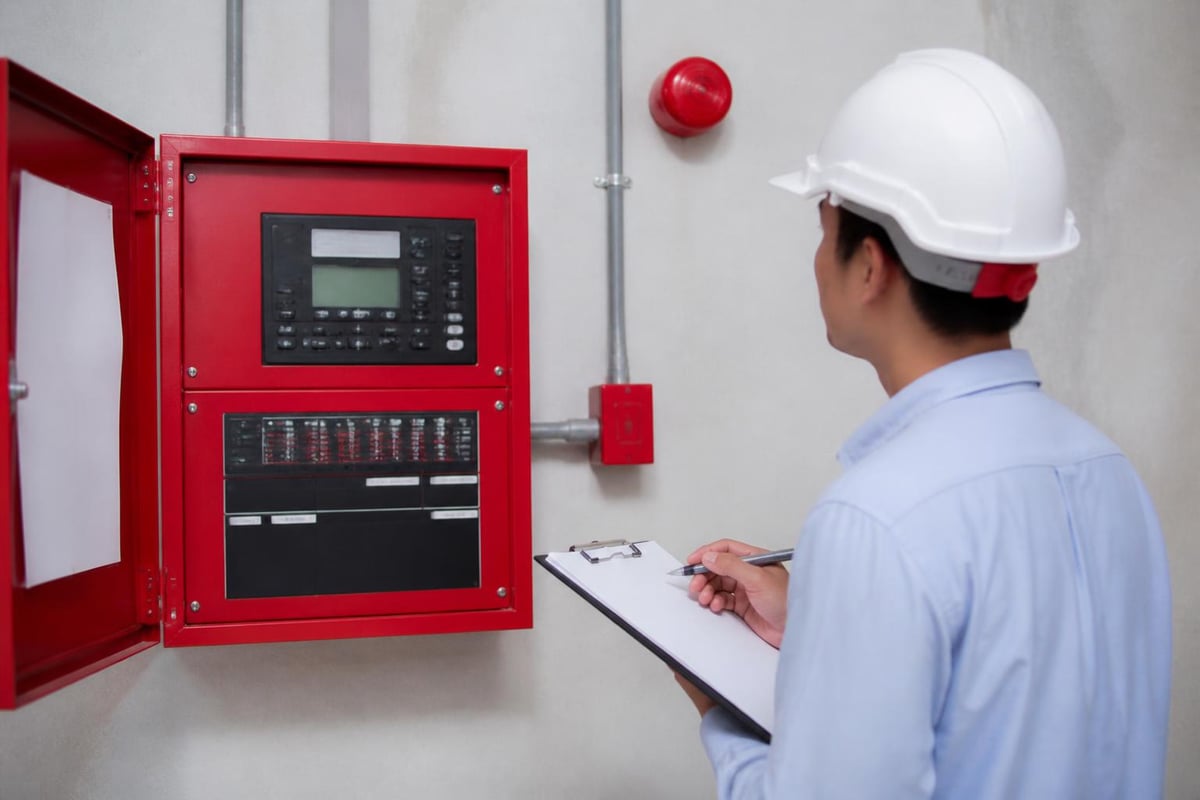
The National Fire Protection Association's NFPA 72 establishes comprehensive requirements for fire alarm and signaling systems. The NFPA 72 inspection, testing, and maintenance protocols provide detailed guidance that influences practices globally, including adaptation within British Standards frameworks.
British Standards BS 5839-1 (for non-domestic premises) and BS 5839-6 (for dwellings) mirror many NFPA 72 principles whilst incorporating UK-specific construction practices and regulatory expectations. Both frameworks emphasize preventative maintenance over reactive repairs, recognizing that fire alarm failures during emergencies often trace back to inadequate servicing.
Best Practices for Fire Alarm Management
Effective fire alarm service extends beyond compliance with minimum legal standards. Organizations committed to exemplary fire safety adopt management practices that enhance reliability and operational readiness.
Comprehensive Documentation Systems
Detailed record-keeping transforms fire alarm service from a series of discrete events into a coherent maintenance narrative. Proper documentation enables trend analysis, supports compliance demonstrations, and facilitates informed decision-making about system upgrades or replacements.
Essential documentation includes:
- Service visit reports detailing all tests performed and findings
- Defect registers tracking identified issues through to resolution
- Modification records documenting all system alterations
- False alarm logs revealing patterns requiring investigation
- Training records confirming staff competence in system operation
The fire alarm management best practices recommended by fire safety professionals emphasize integrated documentation systems that provide complete audit trails from installation through decommissioning.
Scheduled vs. Reactive Maintenance
Proactive fire alarm service significantly outperforms reactive approaches in both cost-effectiveness and system reliability. Organizations that wait for failures before engaging technicians experience higher emergency call-out costs, extended system downtime, and increased regulatory risk.
Scheduled maintenance agreements offer predictable budgeting, priority response for emergencies, and continuity of service from technicians familiar with specific installations. These arrangements typically include all routine testing whilst providing discounted rates for remedial works identified during inspections.
Technology Integration and Modern Service Delivery
Contemporary fire alarm systems increasingly incorporate network connectivity and remote monitoring capabilities. These technological advances transform service delivery whilst introducing new considerations for maintenance programmes.
Connected fire alarm systems enable:
- Real-time fault notification to service providers
- Remote diagnostics reducing unnecessary site visits
- Automated test scheduling and result logging
- Predictive maintenance based on performance data
- Integration with building management systems
Remote monitoring capabilities complement rather than replace physical inspections. Whilst connectivity provides valuable intelligence about system status, hands-on verification remains essential for confirming detector sensitivity, sounder audibility, and call point functionality.
Service Provider Selection Criteria
Choosing appropriate fire alarm service providers requires evaluation across multiple dimensions. Technical competence forms the foundation, but communication quality, response times, and commercial transparency significantly influence long-term partnership success.
| Selection Criterion |
Key Considerations |
| Technical Expertise |
Manufacturer certifications, British Standards knowledge, multi-system capability |
| Response Times |
Emergency availability, routine scheduling flexibility, geographic coverage |
| Documentation Quality |
Report clarity, remediation guidance, compliance alignment |
| Commercial Terms |
Transparent pricing, inclusive scope, upgrade pathways |
| Industry Standing |
Professional memberships, insurance coverage, client references |
The life safety compliance best practices emphasized by industry authorities highlight the importance of partnering with service providers who demonstrate commitment to ongoing professional development and regulatory awareness.
System-Specific Service Requirements
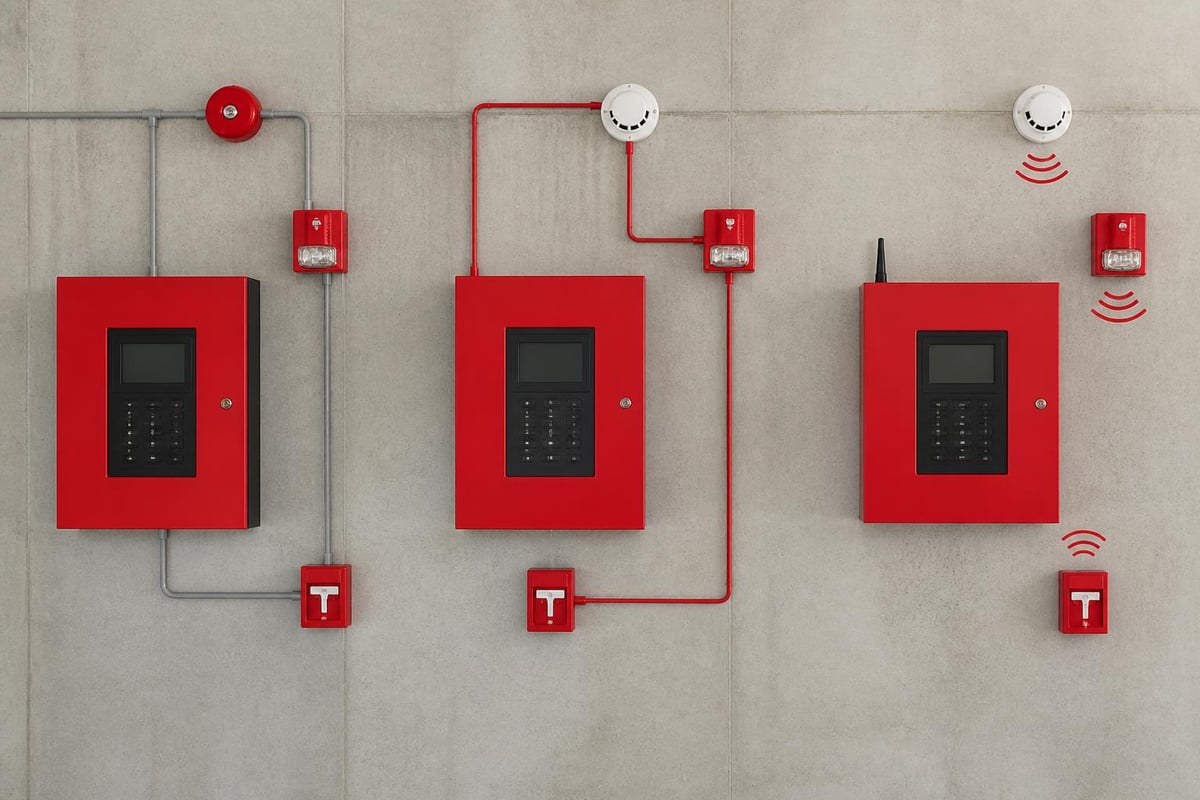
Different fire alarm system types demand tailored service approaches reflecting their operational characteristics and component technologies. Conventional, addressable, and wireless systems each present unique maintenance considerations.
Conventional Systems
Conventional fire alarm systems organize detection devices into zones, with the control panel identifying which zone contains an activated device without pinpointing the specific detector. Service procedures focus on zone-level testing and systematic rotation through all call points and detectors.
These systems require particular attention to circuit integrity, as breaks or shorts affect entire zones rather than individual devices. Annual service includes resistance and voltage measurements across zone circuits to verify cable condition and proper termination.
Addressable Systems
Addressable fire alarm systems assign unique identifiers to each device, enabling precise fault location and sophisticated cause-and-effect programming. Service procedures leverage this granularity to conduct device-specific testing whilst monitoring system-wide performance metrics.
Technicians servicing addressable systems require familiarity with programming software and network topology. Annual inspections verify that addressing remains correct, cause-and-effect programming operates as intended, and loop loading stays within manufacturer specifications.
Wireless Technology
Wireless fire alarm systems eliminate cable infrastructure whilst introducing battery dependency across all field devices. Service requirements emphasize battery monitoring, radio signal strength verification, and electromagnetic interference assessment.
The recommended fire alarm inspection intervals for wireless systems often include more frequent battery replacement cycles compared to hard-wired equivalents, reflecting the critical dependency on distributed power sources.
Integration with Broader Fire Safety Strategies
Fire alarm service forms one element within comprehensive fire safety management frameworks. Effective protection requires coordination across multiple systems and disciplines, with detection capabilities supporting rather than substituting for other critical measures.
Organizations should integrate fire alarm maintenance with related activities including passive fire protection inspections, fire door assessments, and fire risk assessment updates. This holistic approach ensures compatibility between systems and prevents isolated maintenance activities from undermining overall protection strategies.
Staff Training and Competence
Even the most rigorously serviced fire alarm system delivers limited protection if building occupants lack understanding of appropriate responses to activations. Regular training ensures staff recognize alarm signals, understand evacuation procedures, and can distinguish genuine emergencies from false alarms requiring investigation.
Training programmes should address:
- Alarm signal recognition and meaning
- Evacuation routes and assembly points
- Call point location and activation methods
- Interaction with arriving fire services
- Post-incident reporting procedures
The fire safety training programmes delivered by specialist providers complement technical fire alarm service by building human competence alongside system reliability.
Cost Considerations and Budget Planning
Fire alarm service represents an ongoing operational expenditure requiring careful budget planning. Understanding cost drivers helps organizations allocate appropriate resources whilst avoiding false economies that compromise safety or compliance.
Typical annual fire alarm service costs depend on:
- System size and complexity measured by device count
- Building accessibility affecting inspection time requirements
- System age influencing component replacement frequency
- Service level agreements determining response guarantees
- Geographic location affecting travel and labour rates
Organizations should budget for both routine servicing and a contingency for remedial works. Well-maintained systems typically require minimal repairs, but aging installations may face significant component replacement costs that strain unprepared budgets.
Return on Investment Analysis
Whilst fire alarm service costs are readily quantifiable, the value delivered extends beyond simple compliance. Effective maintenance programmes prevent business interruption from system failures, reduce false alarm penalties, and demonstrate due diligence that may influence insurance premiums.
The reputational and operational costs of fire incidents far exceed routine maintenance expenditure. Organizations that view fire alarm service as essential infrastructure investment rather than discretionary spending typically achieve superior safety outcomes whilst avoiding regulatory enforcement costs.
Emerging Trends in Fire Alarm Service
The fire alarm service sector continues evolving alongside technological advancement and regulatory development. Understanding emerging trends helps organizations future-proof their installations and service arrangements.
Key developments shaping fire alarm service include:
- Artificial intelligence enhancing false alarm reduction
- Cloud-based platforms centralizing multi-site management
- Predictive analytics identifying components approaching failure
- Regulatory emphasis on competency verification for service technicians
- Integration with emergency communication and mass notification systems
Forward-looking organizations engage service providers who demonstrate awareness of these trends and capability to support technology transitions. Partnerships built on continuous improvement rather than maintenance of status quo deliver superior long-term value and regulatory resilience.
Environmental Considerations
Sustainability increasingly influences fire alarm service practices as organizations seek to reduce environmental impact whilst maintaining safety standards. This shift manifests through extended component lifecycles, recycling programmes for replaced devices, and energy-efficient system designs.
Modern fire alarm technologies consume significantly less power than legacy equivalents, with LED indicators and efficient circuitry reducing electrical demand. Service providers increasingly offer upgrade pathways that enhance both environmental performance and operational reliability whilst preserving existing infrastructure investments.
Documentation and Audit Readiness
Comprehensive documentation transforms fire alarm service from an operational necessity into a strategic compliance asset. Well-organized records demonstrate regulatory adherence, support insurance claims, and provide evidence of responsible management during enforcement investigations.
Organizations should maintain centralized repositories containing all service-related documentation, accessible to responsible persons and available for regulatory inspection. Digital systems offer searchable archives that facilitate trend analysis and compliance reporting whilst reducing physical storage requirements.
Essential audit documentation includes:
- Installation certification and commissioning records
- Complete service visit history with test results
- Remedial works completion certificates
- False alarm investigation reports
- Staff training attendance records
- Responsible person appointment documentation
The quality of documentation often distinguishes organizations demonstrating proactive fire safety management from those merely achieving minimum compliance. Detailed records support informed decision-making about system upgrades, replacement timing, and resource allocation for fire safety initiatives.
Professional fire alarm service underpins effective fire detection capabilities, ensuring systems remain operational when seconds matter most. By understanding regulatory requirements, adopting best practice maintenance schedules, and partnering with competent service providers, organizations protect occupants whilst satisfying legal obligations. Firesurv Group Ltd delivers comprehensive fire alarm testing, maintenance, and compliance support across the United Kingdom, helping responsible persons maintain robust protection through expert assessments and structured service programmes. Contact their team to discuss how professional fire safety management can enhance protection and regulatory confidence within your organization.