Fire alarm systems represent the frontline defence against the devastating impact of fire in commercial and residential buildings across the United Kingdom. However, installation alone does not guarantee protection. Regular, systematic fire alarm testing ensures these critical life-safety systems function correctly when needed most. For businesses operating under the Regulatory Reform (Fire Safety) Order 2005, proper testing protocols are not merely recommended practice but a legal obligation that demands rigorous attention and comprehensive documentation.
Understanding Fire Alarm Testing Requirements
Fire alarm testing encompasses a structured programme of inspections, functional tests, and maintenance activities designed to verify system integrity and operational readiness. The British Standard BS 5839-1:2017 provides the authoritative framework for fire detection and alarm systems in non-domestic premises, establishing clear protocols for routine testing and maintenance schedules.
The regulatory landscape requires Responsible Persons to ensure all fire safety equipment remains in working order through appropriate maintenance and testing. This obligation extends beyond simple functionality checks to include detailed record-keeping, fault rectification, and periodic professional assessments by competent persons.
Categories of Testing Activity
Fire alarm testing divides into several distinct categories, each serving specific purposes within the overall maintenance regime:
- Weekly testing: Manual activation of call points on a rotational basis
- Monthly testing: Verification of standby power supplies and battery condition
- Quarterly checks: Inspection of detection devices and system components
- Annual servicing: Comprehensive professional examination and certification
- Extended testing: Five-yearly detailed inspection of all system elements
Each testing category carries specific requirements regarding scope, documentation, and qualified personnel. Understanding these distinctions enables organisations to establish compliant maintenance programmes that balance operational demands with safety imperatives.
Weekly Fire Alarm Testing Protocols
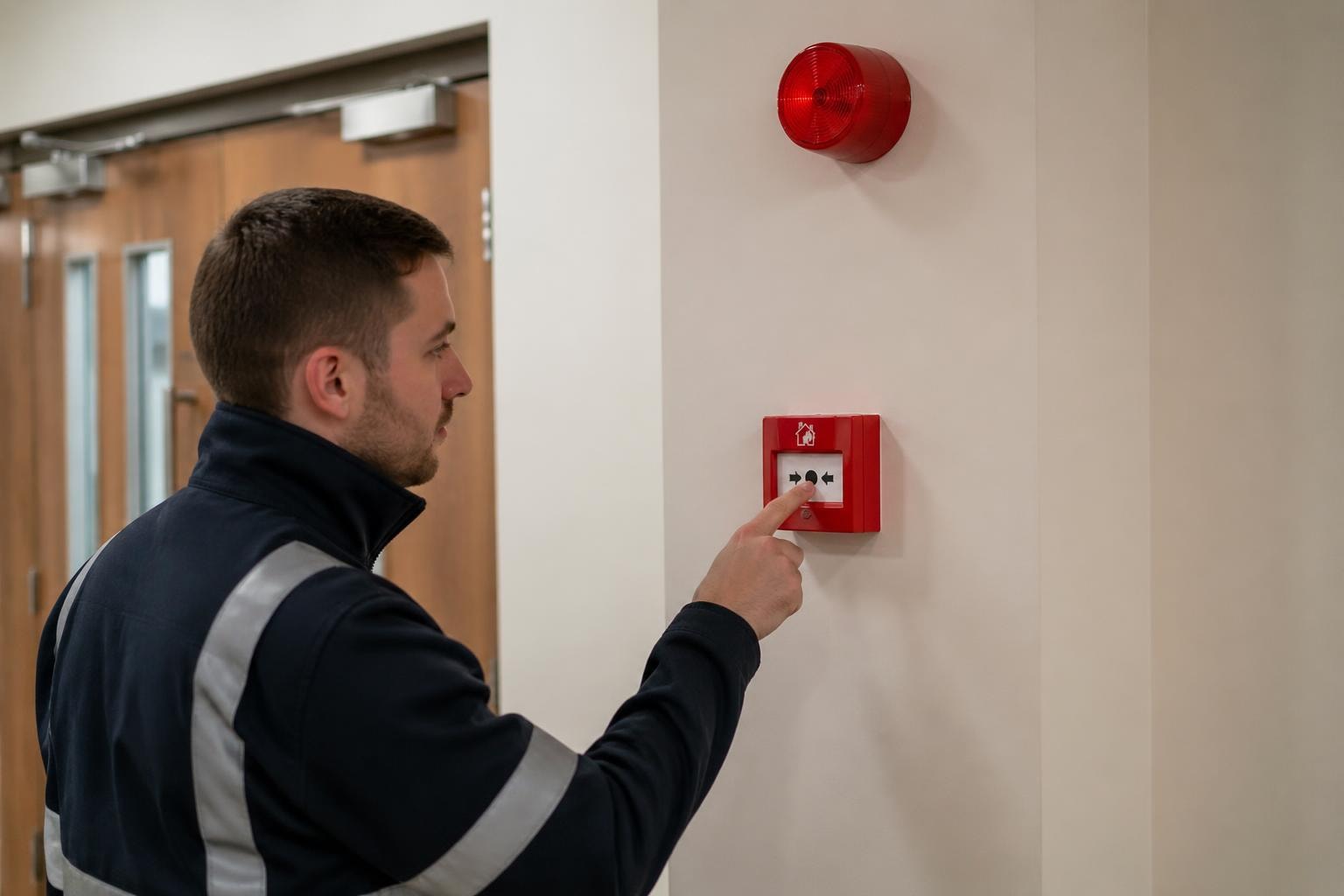
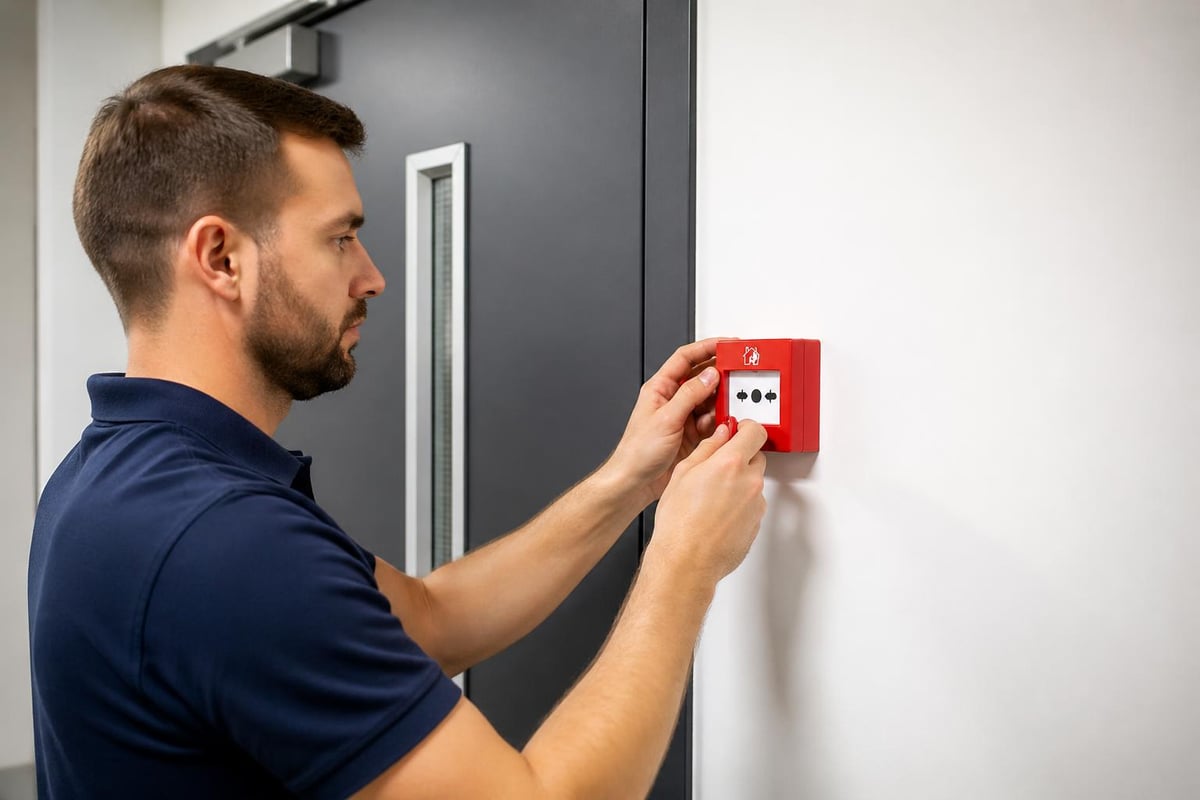
The cornerstone of fire alarm testing lies in weekly verification of system functionality through manual call point activation. This routine procedure, typically conducted at the same time each week, ensures the alarm operates correctly and occupants receive adequate warning.
During weekly tests, a designated responsible person activates a different manual call point each week, rotating through all devices over time. The activation should trigger the full alarm sequence, including sounders, visual indicators, and any integrated systems such as automatic door release mechanisms or smoke control equipment.
Critical elements of weekly testing include:
- Recording the date, time, and location of the tested call point
- Noting the identity of the person conducting the test
- Documenting any faults, defects, or irregularities observed
- Verifying that alarm signals reach any monitoring stations
- Ensuring all call points are tested within their rotation cycle
According to best practices outlined by fire protection professionals, advance notification to building occupants minimises unnecessary disruption whilst maintaining the realism of the test scenario. The fire alarm installation and maintenance services provided by specialists can support businesses in establishing robust testing procedures.
Monthly and Quarterly Inspection Requirements
Monthly fire alarm testing extends beyond simple activation to include power supply verification and battery condition assessment. These checks ensure the system maintains operational capability during mains power failures, a critical consideration given that fires often compromise electrical infrastructure.
Monthly Testing Components
| Test Element |
Procedure |
Acceptance Criteria |
| Battery condition |
Visual inspection and voltage measurement |
No damage, corrosion, or low voltage readings |
| Standby supply |
Simulate mains failure and verify switchover |
Automatic transition within specified time |
| Charge indicators |
Check battery charging system operation |
Green/normal indication when mains present |
| System logs |
Review fault and event records |
All events logged correctly |
Quarterly inspections introduce a more comprehensive assessment of detection devices, control panels, and ancillary equipment. These sessions typically involve visual examination of detector cleanliness, verification of zone indicators, and functional testing of a sample of automatic detection devices using appropriate test equipment.
The inspection requirements defined in NFPA 72 provide valuable additional context, though UK installations must primarily adhere to British Standards and relevant European norms.
Annual Servicing and Certification
Annual fire alarm testing represents the most thorough examination within the regular maintenance cycle, typically conducted by qualified fire alarm engineers holding appropriate certification. This comprehensive service goes significantly beyond routine weekly and monthly checks to assess every aspect of system performance and compliance.
Professional annual servicing includes detailed examination of:
- All detection devices using calibrated testing equipment
- Control and indicating equipment functionality
- Power supplies, including battery load testing
- Cable integrity and connection security
- Sounder coverage and audibility levels
- Integration with building management systems
- Compliance with current standards and regulations
The service culminates in a detailed report documenting findings, identifying defects categorised by urgency, and confirming compliance with BS 5839-1 requirements. This certification provides essential evidence for regulatory inspections, insurance requirements, and duty holder obligations under fire safety legislation.
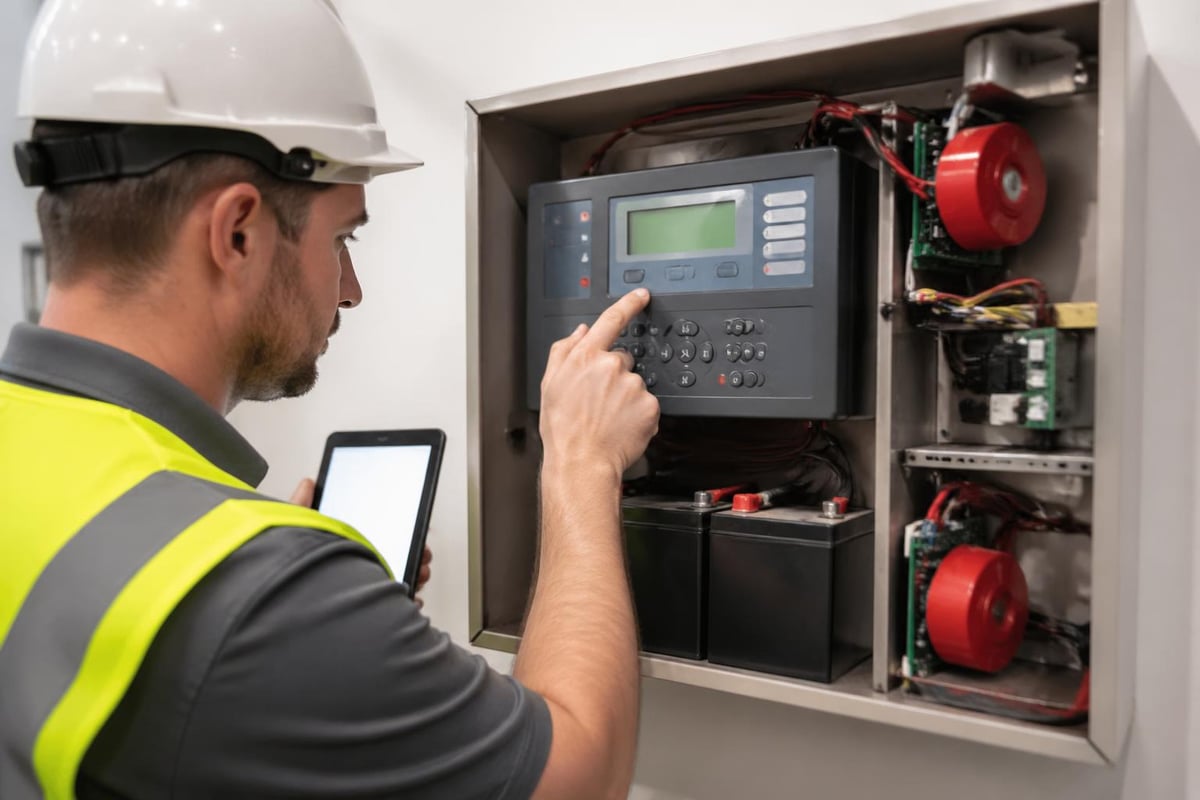
Businesses seeking to interpret technical fire alarm test data can benefit from professional support services that translate engineering reports into actionable compliance documentation aligned with regulatory expectations.
Documentation and Record-Keeping Standards
Meticulous documentation forms an integral component of compliant fire alarm testing programmes. The Regulatory Reform (Fire Safety) Order 2005 mandates that Responsible Persons maintain accessible records demonstrating ongoing system maintenance and testing activities.
Effective record-keeping systems should capture:
- Date and time of each test or inspection
- Identity of the person conducting the activity
- Specific call points, devices, or zones tested
- Results of each test, including pass/fail status
- Details of any faults discovered
- Remedial actions taken and completion dates
- Professional service reports and certificates
Modern approaches increasingly utilise digital logging systems that provide superior accessibility, searchability, and backup capabilities compared to traditional paper logbooks. These systems facilitate compliance demonstration during regulatory inspections and support trend analysis identifying recurring issues requiring attention.
Retention Periods and Accessibility
| Record Type |
Minimum Retention |
Access Requirements |
| Weekly test logs |
12 months |
Immediate availability on-site |
| Monthly inspection records |
12 months |
Immediate availability on-site |
| Annual service certificates |
Life of system |
Secure storage, accessible within 24 hours |
| Modification records |
Permanent |
Secure storage with system documentation |
The importance of structured documentation extends beyond regulatory compliance to provide valuable historical data supporting system performance analysis and future planning decisions. Comprehensive fire risk assessments should incorporate review of fire alarm testing records as part of the overall evaluation process.
Common Testing Defects and Remediation
Fire alarm testing frequently identifies defects requiring prompt remediation to restore full system functionality and compliance. Understanding common issues enables organisations to implement preventative measures and prioritise corrective actions effectively.
Typical defects discovered during testing include:
- Contaminated detectors: Accumulation of dust, paint spray, or construction debris affecting sensitivity
- Failed sounders: Damaged or disconnected alarm devices providing inadequate warning
- Battery deterioration: Reduced capacity compromising standby operation duration
- Damaged call points: Broken glass, missing keys, or mechanical failures
- Zone faults: Wiring issues, short circuits, or device addressing errors
- Inadequate coverage: Building alterations creating detection blind spots
Each defect category carries specific implications for fire safety and requires appropriate urgency classification. NFPA 72 testing requirements provide structured approaches to defect categorisation that complement British Standard methodologies.
Prioritisation and Response Timescales
Critical defects affecting life safety demand immediate attention, potentially requiring temporary compensatory measures such as fire watches until permanent repairs are completed. Less severe issues may be scheduled for resolution during planned maintenance windows, though all defects should be tracked through to verified completion.
Professional fire safety providers offer rapid response capabilities for urgent remediation alongside planned maintenance programmes addressing non-critical items. This tiered approach ensures optimal resource allocation whilst maintaining continuous compliance.

Integration with Building Management Systems
Modern fire alarm systems increasingly integrate with broader building management platforms, introducing additional testing considerations beyond standalone alarm functionality. These integrations may include automatic door release mechanisms, smoke control systems, emergency lighting activation, and lift recall functions.
Testing integrated systems requires verification of:
- Communication between fire alarm and building management systems
- Correct sequencing of automated responses
- Override and manual control functionality
- Fault monitoring and status indication
- Coordination with suppression systems where fitted
The complexity of integrated environments demands appropriately qualified personnel with understanding of both fire alarm systems and building automation technologies. Tailored testing protocols account for building-specific configurations ensuring comprehensive verification of all safety-critical integrations.
Training and Competency Requirements
Effective fire alarm testing relies upon personnel possessing appropriate knowledge, skills, and competency for the activities they undertake. Whilst weekly testing may be conducted by designated employees following basic training, more complex inspections and annual servicing require professional qualifications.
Competency Levels and Responsibilities
| Activity |
Minimum Competency |
Typical Qualification |
| Weekly call point testing |
Basic training and site induction |
In-house instruction |
| Monthly inspections |
Understanding of system operation |
Responsible Person training |
| Quarterly device testing |
Technical knowledge of detection principles |
Fire alarm technician |
| Annual comprehensive service |
Professional fire alarm engineering |
FIA recognised qualification |
Investment in appropriate training ensures testing activities deliver genuine verification rather than mere procedural compliance. Organisations should maintain training records as part of broader competency management systems, with periodic refresher sessions addressing system changes and regulatory updates.
The fire safety training programmes offered by professional providers support businesses in developing internal capability whilst ensuring access to specialist expertise for advanced technical activities.
Cost Considerations and Budgeting
Fire alarm testing represents an ongoing operational cost requiring appropriate budgetary provision within organisational financial planning. Understanding the components of testing costs enables effective forecasting and value optimisation without compromising safety or compliance.
Primary cost elements include:
- Labour: Time allocated for weekly testing by internal staff
- Professional services: Annual servicing and specialist inspections
- Remedial works: Repairs, replacements, and system upgrades
- Documentation systems: Software, templates, and record management
- Training: Competency development for responsible persons
Annual servicing costs vary significantly based on system complexity, building size, and device quantities. Simple single-zone systems in small premises may require minimal investment, whilst complex multi-zone installations with hundreds of devices demand proportionally greater resources.
Proactive maintenance programmes typically reduce overall lifetime costs compared to reactive approaches that address only failures and regulatory interventions. Regular fire alarm maintenance schedules prevent minor issues escalating into major system failures requiring emergency repairs or complete replacement.
Regulatory Inspections and Enforcement
Fire authority inspectors routinely examine fire alarm testing records during premises inspections under the Regulatory Reform (Fire Safety) Order 2005. Inadequate testing regimes may result in enforcement notices, prohibition orders, or prosecution in cases of serious non-compliance.
Inspectors typically assess:
- Evidence of regular weekly testing with complete documentation
- Professional annual service certificates from qualified engineers
- Prompt remediation of identified defects
- Appropriate competency of persons conducting tests
- Integration of testing regime within broader fire safety management
Demonstrating robust, systematic fire alarm testing provides strong evidence of responsible fire safety management, supporting positive relationships with regulatory authorities. Conversely, gaps in testing records frequently trigger deeper inspections and heightened scrutiny of other fire safety measures.
Businesses should view fire alarm testing not as burdensome regulation but as fundamental risk management protecting people, property, and operational continuity. The relatively modest investment in proper testing programmes delivers substantial value through reduced fire risk, regulatory confidence, and insurance premium optimisation.
Future Developments and Smart Systems
Technological advancement continues reshaping fire alarm testing landscapes through introduction of intelligent detection, remote monitoring, and predictive maintenance capabilities. These innovations offer potential to enhance safety outcomes whilst streamlining compliance activities.
Emerging trends include:
- Cloud-based monitoring: Real-time system status visibility and fault notification
- Automated testing: Self-test routines reducing manual intervention requirements
- Analytics platforms: Performance trending and predictive failure detection
- Integrated compliance: Automated documentation and regulatory reporting
- IoT connectivity: Enhanced integration with building systems and emergency services
Whilst these technologies offer significant benefits, they introduce new considerations regarding cybersecurity, data management, and competency requirements for system administration. Key compliance considerations continue evolving as smart systems become increasingly prevalent across commercial and industrial installations.
Organisations planning system upgrades should carefully evaluate how new technologies support rather than complicate testing obligations. The fundamental requirement remains unchanged: demonstrable assurance that fire alarm systems will function correctly when needed, regardless of technological sophistication.
Comprehensive fire alarm testing represents a non-negotiable element of responsible building management, protecting lives whilst ensuring legal compliance and operational resilience. Establishing systematic testing programmes aligned with British Standards and regulatory expectations requires appropriate expertise, documentation rigour, and ongoing commitment. Firesurv Group Ltd provides specialist fire alarm installation, testing, and compliance support services helping businesses across the United Kingdom maintain robust fire safety regimes tailored to their specific operational needs and regulatory obligations.