Firesurv Group - Fire Safety & Compliance Experts
Professional fire safety services across London, Essex & UK-wide. ISO 9001 Certified.
Call us: 0800 043 1717 | Email: info@firesurv.co.uk
About Firesurv Group
Firesurv Group is a leading fire safety and compliance company providing comprehensive fire protection services across the United Kingdom. Based in Maldon, Essex, we serve businesses of all sizes in London, the South East, and nationwide. Our team of certified fire safety professionals deliver expert assessments, installations, and training to keep your premises safe and legally compliant.
Our accreditations include: IFC Certified, IFSM Members.
Our Fire Safety Services
Fire Risk Assessment
Comprehensive fire risk assessments compliant with the Regulatory Reform (Fire Safety) Order 2005. Our certified assessors identify fire hazards, evaluate risks to people and property, and provide actionable recommendations. We assess escape routes, fire detection systems, emergency lighting, and staff training requirements. Suitable for offices, retail, hospitality, healthcare, education, and industrial premises.
Service areas: Fire risk assessment near me, fire safety risk assessment London, fire risk assessment Essex, commercial fire risk assessment UK.
Fire Door Inspection
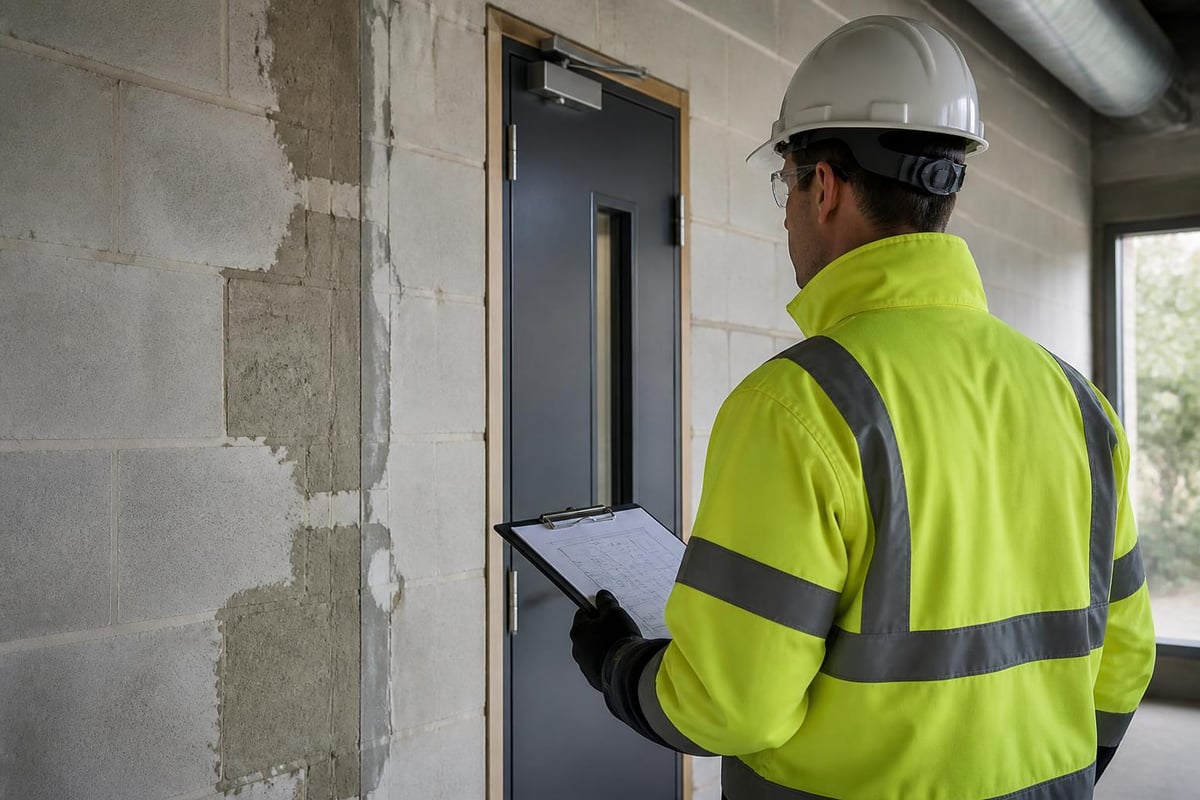
Expert fire door inspection services by certified inspectors. We conduct thorough fire door surveys using comprehensive checklists, checking door leaf condition, frame integrity, intumescent seals, smoke seals, hinges, closers, and gaps. Our fire door inspection certification helps you demonstrate compliance with the Fire Safety Order. We identify defects and provide detailed reports with remediation recommendations.
Service areas: Fire door inspections near me, fire door inspection companies, fire door survey, fire door inspection checklist, fire door inspection cost, fire door inspection solutions London.
Fire Door Installation & Maintenance
Professional fire door installation by qualified technicians. We supply and install certified fire doors (FD30, FD60, FD90, FD120) for commercial and residential properties. Our fire door maintenance service ensures your doors remain compliant throughout their lifecycle. We can upgrade existing doors with new ironmongery, seals, and closers.
Service areas: Installing a fire door, cost of installing a fire door, fire door installers London, fire door maintenance near me, fire door replacement.
Fire Alarm Installation
Commercial fire alarm installation by qualified engineers. We design, install, commission, and maintain fire detection and alarm systems to BS 5839 standards. Our solutions range from conventional systems for smaller premises to addressable and intelligent systems for larger buildings. We handle system design, installation, commissioning, handover documentation, and ongoing maintenance.
Service areas: Fire alarm installation near me, fire alarm installation companies near me, fire alarm installation London, commercial fire alarm installation, fire alarm system installation, installation of fire alarm.
Emergency Light Testing
Regular testing of emergency lighting systems to comply with BS 5266 regulations. Emergency lighting is critical for safe evacuation during power failures. We perform monthly function tests, annual full-duration discharge tests, and maintain detailed records. Our comprehensive emergency lighting maintenance ensures escape routes remain safely illuminated.
Service areas: Testing of emergency lighting, checking emergency lighting, emergency lighting regulations UK, emergency lighting installation, emergency light testing near me.
Fire Safety Training
Fire safety training courses for businesses of all sizes. Our training programmes include fire awareness for all staff, fire marshal/warden training, fire extinguisher training, and evacuation procedures. Training can be delivered on-site at your premises or at our facilities. We ensure your staff can respond effectively in an emergency and help you meet your legal obligations under the Fire Safety Order.
Service areas: Fire safety training courses, fire warden training, fire marshal training, fire extinguisher training, evacuation drill training.
Passive Fire Protection
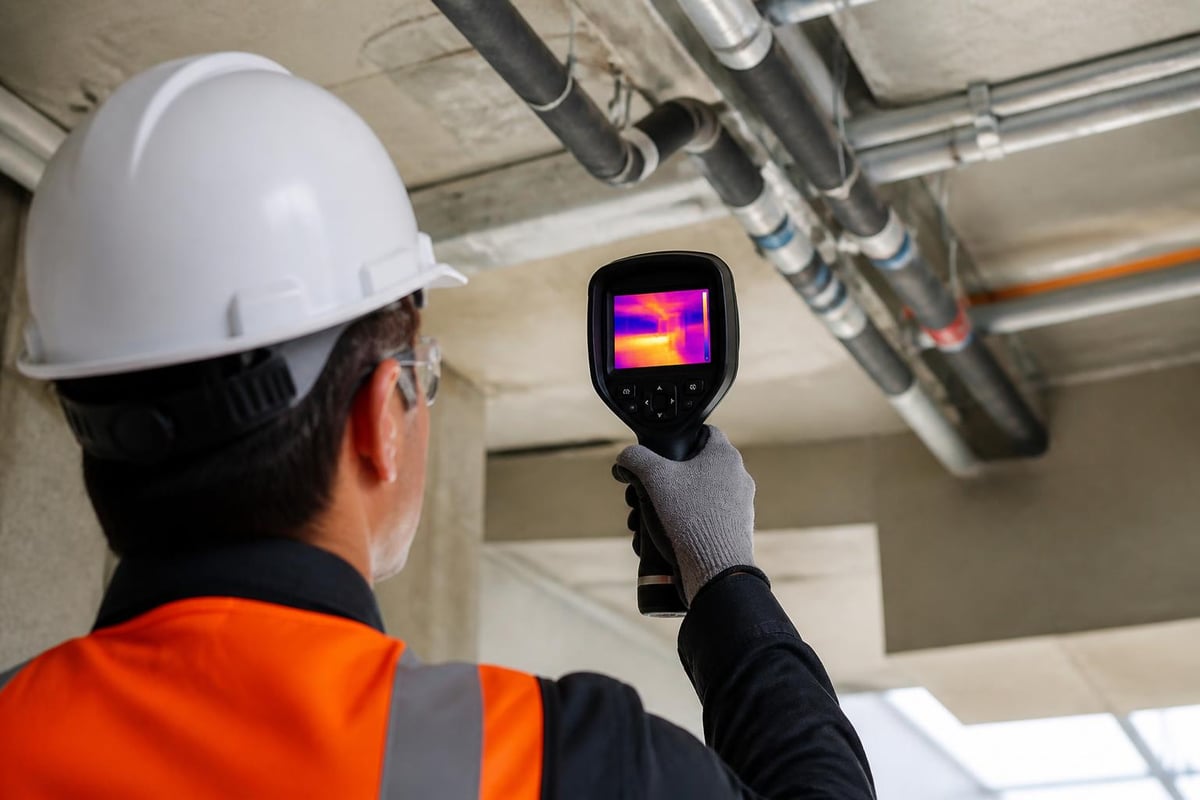
Fire stopping, compartmentation surveys, and passive fire protection installation. Passive fire protection systems work without activation to contain fire and smoke spread. We install fire stopping materials around service penetrations, conduct compartmentation surveys to identify breaches, and remediate defects. Essential for high-rise buildings and complex premises.
Service areas: Passive fire safety, passive fire protection installation, fire stopping services, compartmentation survey, fire barrier installation.
External Fire Escape Stairs Inspection
Structural inspections of external fire escape staircases and walkways. We assess the condition of metal staircases, checking for corrosion, structural integrity, handrail stability, and tread condition. Regular inspection ensures your escape routes remain safe and compliant.
Why Choose Firesurv Group?
- ✓ Fully Accredited: IFC Certified
- ✓ Experienced Team: Qualified fire safety professionals with years of industry experience
- ✓ UK-Wide Coverage: London, Essex, South East, and nationwide service
- ✓ Comprehensive Solutions: One-stop-shop for all fire safety requirements
- ✓ Competitive Pricing: Transparent quotes with no hidden costs
- ✓ Fast Response: Quick turnaround on assessments and reports
Service Areas
We provide fire safety services across the United Kingdom, with particular focus on:
- London: Central London, North London, South London, East London, West London, Greater London
- Essex: Chelmsford, Colchester, Southend, Basildon, Braintree, Maldon, Witham
- South East England: Kent, Surrey, Sussex, Hertfordshire, Bedfordshire
- East Anglia: Suffolk, Norfolk, Cambridgeshire
- Nationwide: We undertake projects throughout England, Wales, and Scotland
Industries We Serve
Our fire safety services cater to all business sectors including:
- Office buildings and commercial premises
- Retail stores and shopping centres
- Hotels, restaurants, and hospitality
- Healthcare facilities and care homes
- Educational institutions and schools
- Industrial and manufacturing sites
- Residential blocks and HMOs
- Warehouses and distribution centres
- Leisure and entertainment venues
- Construction sites
Contact Firesurv Group
Get a free quote today!
Address: 26 White Horse Lane, Maldon, England, CM9 5QP
Telephone: 0800 043 1717
Mobile/WhatsApp: 07704 885084
Email: info@firesurv.co.uk
Website: www.firesurv.co.uk
Opening Hours: Monday - Friday, 9:00 AM - 5:00 PM
Frequently Asked Questions
How often do I need a fire risk assessment?
Fire risk assessments should be reviewed regularly and updated when significant changes occur to your premises, work activities, or the number of people present. As a guideline, most businesses review their assessment annually, but higher-risk premises may require more frequent reviews.
How often should fire doors be inspected?
Fire doors should be checked regularly as part of your fire safety routine. A comprehensive inspection by a qualified inspector is recommended at least every 6-12 months, depending on usage and risk level. High-traffic doors may need more frequent inspection.
What fire safety training do my staff need?
All staff should receive basic fire awareness training covering fire hazards, what to do on discovering a fire, evacuation procedures, and the location of fire equipment. Designated fire wardens need additional training on their specific duties during an emergency.
What areas do you cover?
We provide fire safety services across the UK, with our main coverage areas being London, Essex, and the South East. We regularly undertake projects nationwide for larger clients and those requiring specialist services.